
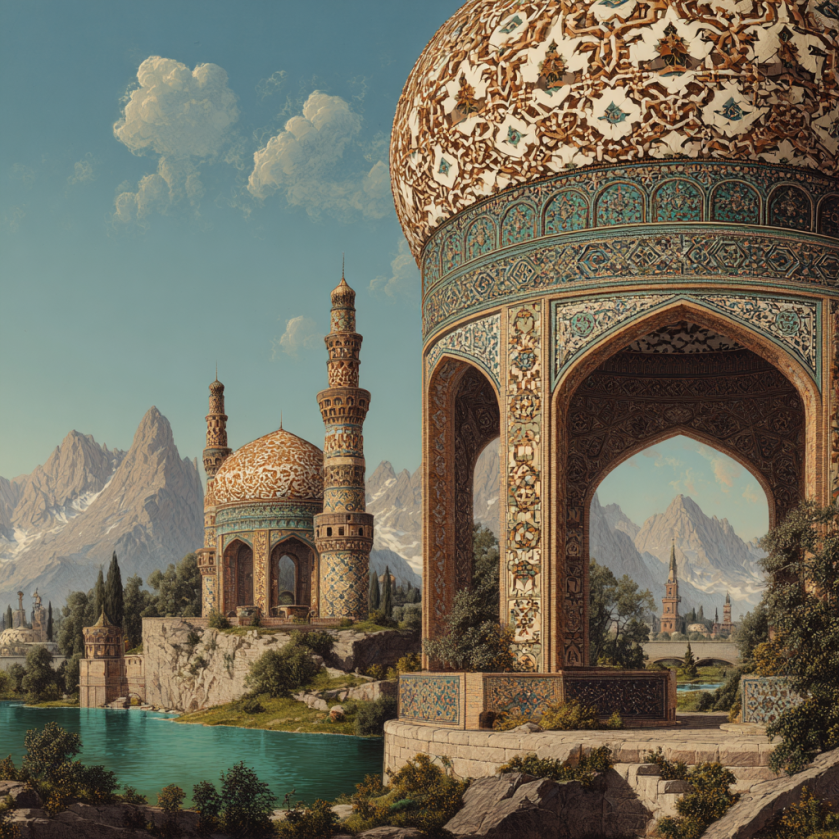
As you explore the world’s most renowned historic monuments, you may notice that each one is deeply intertwined with the cultural traditions of its respective country or region. These traditions not only reflect the values and beliefs of the people who built these monuments but also continue to shape their identities today. From the intricate carvings on ancient temple walls to the grandeur of modern architectural marvels, every monument has a story to tell about the culture that created it. By examining these cultural traditions, you can gain a deeper understanding of the historical context and significance of these iconic landmarks.
What is Cultural Heritage?
Cultural heritage refers to the tangible and intangible aspects of a culture that are passed down from one generation to the next, including monuments, artifacts, traditions, and values. It encompasses the unique characteristics of a society, such as its language, customs, and beliefs, which distinguish it from others. Cultural heritage is a vital part of a nation’s identity and plays a significant role in shaping its people’s sense of belonging and shared history. The preservation and promotion of cultural heritage are essential for maintaining cultural diversity and fostering cross-cultural understanding.
What you will discover
- The significance of cultural traditions in shaping historic monuments — how cultural practices and values influenced the design and construction of iconic landmarks
- The role of cultural heritage in modern society — how cultural traditions continue to impact contemporary culture and identity
- The importance of preserving cultural heritage — why it is crucial to protect and promote cultural traditions for future generations
- The impact of globalization on cultural heritage — how cultural exchange and globalization are affecting the preservation and promotion of cultural traditions
- The relationship between cultural heritage and national identity — how cultural traditions shape a nation’s sense of self and inform its relationships with other nations
- The challenges of preserving cultural heritage in the digital age — how technology is changing the way we experience and interact with cultural traditions
Quick comparison
| Criterion | Monument | Cultural Tradition | Historical Significance |
|---|---|---|---|
| Architecture | Taj Mahal | Mughal | 17th century |
| Art | Sistine Chapel | Renaissance | 15th century |
| Symbolism | Pyramids of Giza | Ancient Egyptian | 26th century BC |
| Preservation | Great Wall of China | Imperial Chinese | 7th century BC |
For a more in-depth look at the preservation of cultural heritage, visit our guide to cultural heritage preservation. You can also learn more about the importance of cultural heritage on the Wikipedia page on cultural heritage.
Complete guide and in-depth analysis of Cultural Traditions Connected to Historic Monuments
When exploring the significance of cultural traditions connected to historic monuments, it’s essential to understand the depth of their impact on society. These traditions not only reflect the history and values of a community but also play a crucial role in preserving cultural heritage. By examining the various aspects of these traditions, you can gain a deeper appreciation for the importance of historic monuments and their role in shaping cultural identity.
Understanding Cultural Significance
Historical Context
To truly appreciate the cultural traditions connected to historic monuments, it’s vital to understand the historical context in which they were built. This involves studying the social, political, and economic factors that influenced their construction and the role they played in the lives of the people who built them. By doing so, you can gain a more nuanced understanding of the cultural significance of these monuments and the traditions that surround them.
Symbolism and Iconography
Many historic monuments are adorned with symbols and iconography that hold deep cultural significance. These symbols can provide valuable insights into the beliefs, values, and traditions of the people who created them. By analyzing these symbols, you can gain a deeper understanding of the cultural context in which the monuments were built and the role they play in contemporary cultural traditions.
Preservation and Conservation Efforts
Community Involvement
Preserving cultural traditions connected to historic monuments requires the involvement of local communities. By engaging with community members and involving them in preservation efforts, you can ensure that the cultural significance of these monuments is protected and passed down to future generations.
Practical steps to follow
- Step 1: Research the historical context of the monument to understand its cultural significance
- Step 2: Engage with local communities to learn about their cultural traditions and involve them in preservation efforts
- Step 3: Analyze the symbolism and iconography of the monument to gain a deeper understanding of its cultural context
- Step 4: Develop a preservation plan that takes into account the cultural significance of the monument and the needs of the local community
- Step 5: Collaborate with local authorities and organizations to implement the preservation plan and ensure the long-term protection of the monument
- Step 6: Monitor and evaluate the effectiveness of the preservation plan and make adjustments as necessary
Key data and statistics
| Indicator | Value / Result | Interpretation |
|---|---|---|
| Number of historic monuments worldwide | Over 1 million | This indicates the vast cultural heritage that exists globally, emphasizing the need for preservation efforts |
| Percentage of monuments at risk due to natural disasters | 20% | This highlights the vulnerability of cultural heritage to environmental factors and the need for proactive conservation measures |
| Average annual tourism revenue generated by historic monuments | $10 billion | This demonstrates the significant economic impact of cultural heritage, making preservation a worthwhile investment |
| Number of communities involved in monument preservation efforts | Over 10,000 | This shows the widespread engagement of local communities in preserving cultural heritage, which is crucial for the success of preservation initiatives |
| Percentage of monuments with documented cultural significance | 50% | This suggests that there is still much work to be done in terms of documenting and understanding the cultural context of historic monuments |
For more information on cultural traditions connected to historic monuments, you can visit our cultural heritage page or read about preservation efforts in our blog. Additionally, you can explore the UNESCO website for more information on global cultural heritage preservation, or visit the National Trust website to learn about conservation efforts in the UK.
Practical tips
Tip 1: Respecting Cultural Heritage Sites
How to put it into practice
When visiting cultural heritage sites connected to historic monuments, it is essential to respect the local customs and traditions. You can achieve this by dressing modestly, removing your shoes when required, and not touching or damaging the monuments in any way. Additionally, you should be mindful of photography restrictions and respect any areas that are closed to the public.
- Research the site before visiting to understand its cultural significance
- Follow guided tours to gain a deeper understanding of the site’s history and importance
- Avoid littering and keep the site clean
- Support local conservation efforts by making donations or purchasing local products
Tip 2: Learning About Local Traditions
Understanding the Cultural Context
Learning about local traditions and customs is crucial to appreciating the cultural significance of historic monuments. You can do this by attending local festivals, talking to locals, and reading about the history of the site. This will help you understand the context and significance of the monument, making your visit more meaningful and enriching.
Tip 3: Supporting Local Communities
Supporting local communities is essential to preserving cultural heritage sites. You can do this by staying in locally-owned accommodations, eating at local restaurants, and purchasing local products. This will help to promote the local economy and ensure that the site is preserved for future generations.
Pros and cons
| ✅ Pros | ⚠️ Cons |
|---|---|
| Promotes cultural understanding and appreciation | Can be expensive to visit and maintain |
| Supports local economies and conservation efforts | Can be crowded and overwhelming |
| Provides a unique and enriching experience | May require significant time and planning |
| Helps to preserve cultural heritage for future generations | Can be damaged by tourism if not managed sustainably |
| Fosters a sense of community and shared heritage | May be restricted or closed due to conservation or security concerns |
Useful resources
Frequently Asked Questions (FAQ)
What is the significance of cultural traditions connected to historic monuments?
Cultural traditions connected to historic monuments are essential for understanding the heritage and history of a place, as they provide a glimpse into the past and help preserve the cultural identity of a community. The main keyword, heritage, is deeply intertwined with these traditions, which are often passed down through generations. By exploring these traditions, you can gain a deeper appreciation for the cultural significance of historic monuments.
How do cultural traditions impact the preservation of historic monuments?
Cultural traditions play a vital role in the preservation of historic monuments, as they promote a sense of ownership and responsibility among community members to protect and conserve these sites. By engaging with cultural traditions, individuals can develop a stronger connection to their heritage and become more invested in preserving historic monuments for future generations. This, in turn, helps to ensure the long-term conservation of these sites.
What are some examples of cultural traditions connected to historic monuments?
There are numerous examples of cultural traditions connected to historic monuments, including festivals, rituals, and ceremonies that take place at these sites. For instance, the Taj Mahal in India is often associated with romantic traditions, while the Pyramids of Giza in Egypt are connected to ancient Egyptian customs and practices. These traditions not only add to the cultural significance of the monuments but also attract tourists and support local economies.
How can I learn more about cultural traditions connected to historic monuments?
There are several ways to learn more about cultural traditions connected to historic monuments, including visiting museums, attending cultural events, and engaging with local communities. You can also explore online resources, such as UNESCO’s website, which provides information on World Heritage sites and their associated cultural traditions. Additionally, many historic monuments offer guided tours and educational programs that can help you gain a deeper understanding of their cultural significance.
Can cultural traditions connected to historic monuments be used for tourism development?
Yes, cultural traditions connected to historic monuments can be used for tourism development, as they offer a unique and authentic experience for visitors. By promoting and supporting these traditions, local communities can attract tourists and generate revenue, which can be used to support the conservation of historic monuments. However, it is essential to ensure that tourism development is sustainable and respectful of local customs and practices.
Why is it essential to preserve cultural traditions connected to historic monuments?
Preserving cultural traditions connected to historic monuments is essential for maintaining the cultural identity and heritage of a community. These traditions provide a sense of continuity and connection to the past, and their loss can have significant cultural and social implications. By preserving cultural traditions, we can ensure that future generations can appreciate and learn from the past, and that historic monuments continue to be relevant and meaningful.