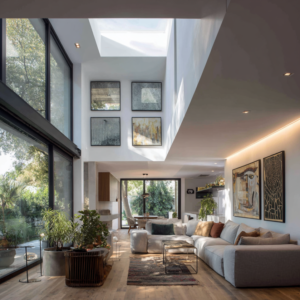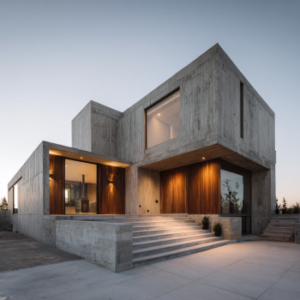

As you travel around the world, you may notice the diverse array of architectural styles that reflect the unique cultural, historical, and environmental contexts of different regions. From the ancient ruins of Greece to the modern skyscrapers of Dubai, architecture has played a significant role in shaping the identity of cities and communities. With its ability to inspire, educate, and influence people, architecture is an essential part of our shared human experience. Whether you are an architect, a historian, or simply a curious traveler, exploring the various architectural styles around the world can be a fascinating and enriching experience.
What is Architecture?
Architecture refers to the art and science of designing and building structures, such as buildings, bridges, and monuments, that are functional, aesthetically pleasing, and safe. It involves a deep understanding of materials, technologies, and social and cultural factors that shape the built environment. Good architecture can enhance the quality of life, promote social interaction, and reflect the values and aspirations of a community. With its rich history, diverse styles, and innovative approaches, architecture continues to evolve and adapt to the changing needs of society.
What you will discover
- Historic styles — such as Gothic, Renaissance, and Art Deco, which have shaped the architectural heritage of Europe and beyond
- Modern movements — including International Style, Brutalism, and Deconstructivism, which have transformed the urban landscape
- Sustainable design — which emphasizes energy efficiency, environmental sustainability, and social responsibility
- Cultural influences — such as Islamic, Chinese, and African architectural traditions, which have contributed to the rich diversity of global architecture
- Iconic landmarks — including the Eiffel Tower, the Taj Mahal, and the Sydney Opera House, which have become symbols of national identity and pride
- Emerging trends — such as green architecture, smart buildings, and virtual reality, which are redefining the future of the built environment
Quick comparison
| Criterion | Modernism | Postmodernism | Deconstructivism |
|---|---|---|---|
| Key characteristics | Functionalism, minimalism, and simplicity | Playfulness, irony, and historical references | Fragmentation, non-linearity, and unpredictability |
| Influential architects | Le Corbusier, Walter Gropius, and Ludwig Mies van der Rohe | Robert Venturi, Michael Graves, and Frank Gehry | Peter Eisenman, Frank Gehry, and Zaha Hadid |
| Notable examples | Bauhaus, Farnsworth House, and Villa Savoye | AT&T Building, Portland Building, and Walt Disney Concert Hall | Guggenheim Museum, Seattle Central Library, and Heydar Aliyev Center |
| Critiques and controversies | Accusations of coldness, uniformity, and social alienation | Charges of superficiality, kitsch, and historical insensitivity | Concerns about complexity, disorientation, and lack of functionality |
For a more in-depth exploration of architectural styles, please refer to our comprehensive guide. You can also visit the Wikipedia page on architecture to learn more about the history, theory, and practice of this fascinating field.
Complete guide
Content unavailable.
Practical tips
Tip 1: Understanding Local Building Codes
How to put it into practice
When exploring popular architectural styles around the world, it’s essential to understand the local building codes and regulations that influence design. You can start by researching the specific codes and standards applicable to the region you’re interested in, such as the International Building Code (IBC) in the United States or the European Union’s Energy Performance of Buildings Directive.
- Research local zoning laws and ordinances
- Consult with local architects or builders to understand regional requirements
- Review case studies of successful projects in the desired location
- Consider factors like climate, soil, and environmental conditions
Tip 2: Balancing Style and Functionality
Harmonizing Aesthetics and Practicality
Popular architectural styles often prioritize aesthetics, but it’s crucial to balance style with functionality. Consider the purpose of the building, the needs of its occupants, and the local climate and environment. For instance, a modern glass skyscraper might be sleek and stylish, but it may not be the most energy-efficient or practical choice for a hot and sunny region.
Tip 3: Incorporating Sustainable Design Elements
Incorporating sustainable design elements can enhance the appeal and functionality of a building while minimizing its environmental footprint. You can explore options like green roofs, solar panels, rainwater harvesting, and energy-efficient materials to create a more eco-friendly structure.
Pros and cons
| ✅ Pros | ⚠️ Cons |
|---|---|
| Unique and culturally significant designs that reflect local heritage | Potential for high construction costs due to specialized materials and labor |
| Opportunities for innovative and creative expression | Challenges in balancing style with functionality and practicality |
| Potential for increased property value and appeal | Regulatory hurdles and compliance issues with local building codes |
| Enhanced sustainability and energy efficiency with eco-friendly design elements | Higher upfront costs for sustainable materials and technologies |
| Cultural and historical preservation through adaptive reuse and restoration | Complexity and potential risks associated with renovating or restoring existing structures |
Useful resources
Frequently Asked Questions (FAQ)
What is the most popular architectural style around the world?
The most popular architectural style around the world is often subjective and varies depending on personal taste and cultural context. However, modern architecture is a widely popular style, known for its simplicity, functionality, and use of modern materials. This style is often associated with famous architects such as Frank Lloyd Wright and Le Corbusier, who have made significant contributions to the field of architecture.
What is the difference between modern and contemporary architecture?
While often used interchangeably, modern and contemporary architecture have distinct differences. Modern architecture refers to the style that emerged in the early 20th century, characterized by clean lines, minimal ornamentation, and an emphasis on function. Contemporary architecture, on the other hand, refers to the current architectural style, which is often a fusion of different styles and incorporates sustainable and innovative materials and techniques.
What are the key characteristics of Gothic architecture?
Gothic architecture is a style that originated in Europe during the 12th century, characterized by the use of pointed arches, ribbed vaults, and flying buttresses. This style is known for its grandeur, verticality, and use of light, often featuring large stained glass windows and intricate stone carvings. Famous examples of Gothic architecture include Notre-Dame Cathedral in Paris and Chartres Cathedral in France.
What is the significance of sustainable architecture in modern design?
Sustainable architecture is an essential aspect of modern design, as it focuses on reducing the environmental impact of buildings and promoting energy efficiency. This style incorporates green building materials, renewable energy sources, and innovative design techniques to minimize waste and reduce carbon emissions. Sustainable architecture is not only beneficial for the environment but also provides economic benefits and improves the overall quality of life for occupants.
How does cultural context influence architectural style?
Cultural context plays a significant role in shaping architectural style, as it reflects the values, traditions, and history of a particular region or community. Different cultures have unique architectural styles, such as Japanese minimalism, Indian ornateness, or African vibrancy, which are often influenced by climate, available materials, and social norms. Understanding the cultural context of a building is essential to appreciating its design and significance.
What is the role of technology in modern architecture?
Technology has revolutionized the field of architecture, enabling architects to design and build complex structures with precision and accuracy. Computer-aided design (CAD) software, building information modeling (BIM), and 3D printing have transformed the design process, allowing for greater creativity, efficiency, and sustainability. Additionally, technology has improved the construction process, enabling the use of innovative materials and techniques, such as prefabrication and modular construction.