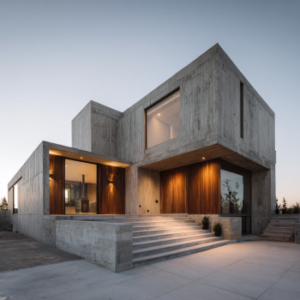

Monument architecture and design have been a cornerstone of human civilization, reflecting the cultural, social, and historical contexts of their time. These structures have been built to commemorate significant events, honor notable figures, and showcase artistic and engineering prowess. From ancient wonders to modern masterpieces, monuments have continued to inspire and awe people around the world. As we delve into the meaning behind monument architecture and design, you will discover the fascinating stories and symbolism behind these iconic structures.
What is Monument Architecture and Design?
Monument architecture and design refer to the planning, construction, and aesthetic consideration of buildings and structures intended to commemorate, celebrate, or memorialize a person, event, or idea. These monuments can take many forms, including statues, memorials, museums, and public buildings. They often incorporate various artistic and architectural styles, reflecting the cultural and historical context in which they were built. By understanding the design and architecture of monuments, we can gain insight into the values, beliefs, and aspirations of the people who created them.
What you will discover
- The historical context of monument architecture — exploring the social, cultural, and political factors that influenced the design and construction of monuments
- The role of symbolism and iconography — examining the use of symbols, motifs, and imagery in monument design to convey meaning and significance
- The impact of technological advancements — discussing how advances in materials, engineering, and construction techniques have shaped the development of monument architecture
- The relationship between monuments and their surroundings — considering how monuments interact with their environment and the urban landscape
- The cultural and social significance of monuments — investigating the ways in which monuments reflect and shape cultural identity, national pride, and community values
- The challenges of preserving and conserving monuments — addressing the issues and complexities involved in protecting and maintaining these valuable cultural assets
Quick comparison
| Criterion | Ancient Monuments | Modern Monuments | Contemporary Monuments |
|---|---|---|---|
| Materials | Stone, marble, brick | Steel, concrete, glass | Sustainable materials, recycled materials |
| Design style | Classical, Gothic, Renaissance | Modernist, Brutalist, Postmodern | Deconstructivist, Parametric, Digital |
| Symbolism | Mythological, allegorical, historical | Abstract, conceptual, minimalist | Interactive, immersive, experiential |
| Purpose | Commemoration, worship, education | Memorialization, celebration, entertainment | Community engagement, social commentary, environmental awareness |
For a more in-depth exploration of monument architecture and design, please refer to our comprehensive guide. Additionally, you can visit the Wikipedia page on monuments to learn more about the history and significance of these structures.
Complete guide and in-depth analysis of Monument Architecture and Design
When exploring the realm of heritage, monument architecture and design play a pivotal role in understanding the cultural, historical, and societal context of a region. These structures not only serve as testimonials to the past but also influence the present and future of a community. In this section, we will delve into the significance of monument architecture and design, their impact on society, and the practical steps involved in preserving and appreciating these heritage sites.
Understanding the Cultural Significance
Historical Context and Symbolism
Monuments are often designed to commemorate significant events, honor notable figures, or represent the values and beliefs of a particular era. Understanding the historical context and symbolism behind these structures is crucial in appreciating their cultural significance. For instance, the Lincoln Memorial in Washington D.C. is not just a tribute to President Abraham Lincoln but also a symbol of freedom and equality.
Architectural Styles and Influences
The design of monuments can be influenced by various architectural styles, reflecting the cultural exchange and diversity of the time. From ancient Greek and Roman structures to modern and contemporary designs, each style contributes to the rich tapestry of monument architecture. The National Park Service provides valuable insights into the preservation and protection of these historical sites.
Preservation and Conservation Efforts
Challenges and Strategies
Preserving monuments for future generations poses significant challenges, including environmental degradation, human impact, and funding constraints. Effective conservation strategies involve a combination of traditional techniques and modern technologies, such as 3D scanning and restoration methods. For more information on preservation techniques, visit the preservation methods section.
Practical Steps to Follow
- Step 1: Research and understand the historical context and cultural significance of the monument.
- Step 2: Collaborate with local authorities, conservation experts, and community groups to develop a preservation plan.
- Step 3: Implement environmentally friendly and sustainable practices to reduce human impact on the site.
- Step 4: Utilize modern technologies, such as 3D scanning and virtual reality, to enhance the visitor experience and promote cultural education.
- Step 5: Establish a funding mechanism to support ongoing conservation efforts and ensure the long-term protection of the monument.
- Step 6: Monitor and evaluate the effectiveness of preservation strategies, making adjustments as necessary to ensure the continued integrity of the site.
Key Data and Statistics
| Indicator | Value / Result | Interpretation |
|---|---|---|
| Number of World Heritage Sites | 1,154 | Reflects the diversity of cultural and natural heritage worldwide. |
| Annual Visitors to Heritage Sites | 1.2 billion | Highlights the significant economic and social impact of cultural tourism. |
| Percentage of Sites at Risk | 20% | Emphasizes the need for increased conservation efforts and funding. |
| Average Age of Monuments | 500 years | Illustrates the importance of long-term preservation strategies. |
| Global Spending on Heritage Conservation | $10 billion | Demonstrates the significant investment in protecting cultural heritage. |
For more information on monument architecture and design, visit the heritage sites section or consult the UNESCO website for a comprehensive overview of global heritage conservation efforts.
Practical tips
Tip 1: Understanding the Historical Context
How to put it into practice
When exploring monument architecture and design, it is essential to consider the historical context in which the structure was built. You can start by researching the time period, cultural influences, and significant events that may have shaped the design. This will help you appreciate the monument’s significance and relevance to the community.
- Research the architect or designer behind the monument
- Examine the materials and techniques used in the construction
- Consider the social and cultural norms of the time period
- Analyze the monument’s relationship with its surroundings
Tip 2: Analyzing the Design Elements
Identifying Symbolism and Motifs
A thorough analysis of the design elements can reveal the deeper meaning and significance of the monument. Look for recurring symbols, motifs, and patterns that may hold cultural or historical significance. You can also examine the use of color, texture, and lighting to understand the intended mood or atmosphere.
Tip 3: Engaging with the Local Community
Engaging with the local community can provide valuable insights into the monument’s significance and cultural importance. You can attend guided tours, speak with local historians, or participate in cultural events to gain a deeper understanding of the monument’s role in the community.
Pros and cons
| Pros | Cons |
|---|---|
| Promotes cultural heritage and preservation | Can be costly to maintain and restore |
| Enhances community identity and pride | May be vulnerable to natural disasters or vandalism |
| Supports tourism and economic growth | Can be a source of controversy or conflict |
| Fosters education and historical awareness | May require significant resources and infrastructure |
| Provides a sense of continuity and tradition | Can be challenging to balance preservation with modernization |
Useful resources
Frequently Asked Questions (FAQ)
What is the significance of monument architecture and design in heritage conservation?
Monument architecture and design play a crucial role in heritage conservation, as they reflect the history, culture, and values of a society. The study of monument architecture and design helps us understand the cultural and historical context of a particular era, and it also provides valuable insights into the social and political climate of the time. By preserving and protecting these monuments, we can learn from the past and appreciate the main keyword, heritage, in a more meaningful way.
How do architects and designers balance historical accuracy with modern functionality in monument restoration projects?
Architects and designers use a variety of techniques to balance historical accuracy with modern functionality in monument restoration projects, including careful research, meticulous planning, and sensitive design. They must also work closely with stakeholders, including historians, conservationists, and local communities, to ensure that the restored monument is both authentic and functional. By taking a holistic approach to restoration, architects and designers can create a harmonious blend of old and new, preserving the integrity of the monument while also making it accessible and usable for modern audiences.
What role do monuments play in shaping national identity and cultural heritage?
Monuments play a significant role in shaping national identity and cultural heritage, as they provide a physical representation of a nation’s history, values, and beliefs. They serve as symbols of national pride, unity, and cohesion, and they can evoke strong emotions and a sense of shared identity among citizens. By preserving and promoting monuments, governments and cultural institutions can foster a deeper understanding and appreciation of a nation’s cultural heritage, and promote a sense of national identity that is rooted in history and tradition.
How can monument architecture and design be used to promote tourism and economic development?
Monument architecture and design can be used to promote tourism and economic development by creating unique and attractive tourist destinations that showcase a region’s cultural and historical heritage. By restoring and preserving monuments, and creating interpretive exhibits and programs, local governments and tourism boards can attract visitors from around the world, generating revenue and creating jobs. Additionally, monuments can serve as catalysts for urban renewal and revitalization, stimulating investment and development in surrounding areas.
What are some common challenges faced by architects and designers working on monument restoration projects?
Architects and designers working on monument restoration projects often face a range of challenges, including limited budgets, complex logistical issues, and the need to balance historical accuracy with modern functionality. They must also navigate complex regulatory frameworks, work with multiple stakeholders, and manage the expectations of local communities and other interested parties. Furthermore, they must contend with the physical challenges of working with old and fragile materials, and the need to ensure that the restored monument is safe, accessible, and sustainable for future generations.
How can individuals and communities get involved in monument conservation and preservation efforts?
Individuals and communities can get involved in monument conservation and preservation efforts by supporting local heritage organizations, participating in volunteer restoration projects, and advocating for the protection and preservation of monuments. They can also help raise awareness about the importance of monument conservation by sharing their knowledge and passion with others, and by promoting cultural heritage tourism in their local area. By working together, individuals and communities can make a meaningful contribution to the preservation of our cultural heritage, and help ensure that monuments continue to inspire and educate future generations.