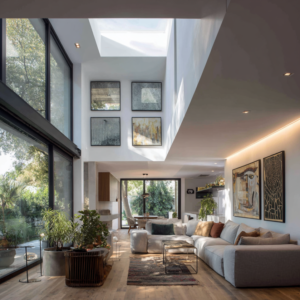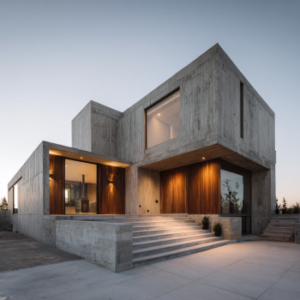

When it comes to great architecture, there are several key elements that set exceptional buildings apart from the rest. These structural elements not only provide a functional purpose but also contribute to the overall aesthetic and emotional impact of a building. As you delve into the world of architecture, you will discover that the most successful structures are those that balance form and function, creating a harmonious and sustainable environment for their occupants. Whether you are an architect, designer, or simply someone who appreciates the beauty of well-designed buildings, understanding the principles of great architecture is essential for appreciating the art and science that goes into creating these structures.
What is Great Architecture?
Great architecture refers to the design and construction of buildings that are not only functional and efficient but also visually stunning and emotionally resonant. It involves a deep understanding of the needs and desires of the people who will be using the building, as well as a mastery of the technical skills required to bring the design to life. Great architecture is characterized by a sense of balance, proportion, and harmony, and it often incorporates sustainable and environmentally-friendly design principles. By combining these elements, architects can create buildings that are not only beautiful but also functional, sustainable, and meaningful.
What you will discover
- Principles of balance and proportion — how to create a sense of harmony and stability in a building’s design
- Sustainable design strategies — ways to reduce a building’s environmental impact while improving its functionality and efficiency
- Emotional and psychological factors — how buildings can be designed to evoke emotions and create a sense of community and connection
- Technical skills and materials — the latest advances in building materials and construction techniques
- Case studies and examples — real-world examples of great architecture and what makes them successful
- Best practices for architects and designers — tips and advice for creating great architecture
Quick comparison
| Criterion | Modern Architecture | Traditional Architecture | Green Architecture |
|---|---|---|---|
| Materials | Steel, glass, concrete | Wood, brick, stone | Sustainable materials, recycled materials |
| Energy efficiency | High-performance insulation, solar panels | Passive solar design, natural ventilation | Renewable energy systems, energy-efficient appliances |
| Aesthetics | Minimalist, modern, sleek | Ornate, traditional, classic | Organic, natural, contextual |
| Cost | High | Medium | Variable |
As you explore the world of great architecture, you can find more information on our guide to sustainable design and learn more about the latest trends and technologies in the field from reliable sources such as Wikipedia or the United States Environmental Protection Agency.
Complete guide and in-depth analysis of Structural Elements in Architecture
When it comes to defining great architecture, several structural elements come into play. These elements not only contribute to the aesthetic appeal of a building but also to its functionality and sustainability. As you delve into the world of architecture, understanding these elements becomes crucial for creating structures that are both visually stunning and efficient. In this section, we will explore the key aspects that make up great architecture, guiding you through the process of understanding and implementing these elements effectively.
Understanding the Basics of Structural Elements
Foundational Principles
Detailed and actionable explanation of how foundational principles such as balance, proportion, and harmony form the basis of great architectural design. These principles are fundamental in creating structures that are not only pleasing to the eye but also stable and functional. By understanding and applying these principles, architects can create buildings that stand the test of time.
Material Selection
Explanation of the importance of material selection in architecture, including factors such as durability, sustainability, and aesthetic appeal. The choice of materials can significantly impact the overall look and feel of a building, as well as its environmental footprint. Architects must carefully consider these factors when selecting materials for their projects.
Designing for Functionality and Sustainability
Energy Efficiency
Explanation of how architectural design can incorporate energy-efficient features to reduce a building’s environmental impact. This includes the use of natural lighting, insulation, and renewable energy sources. By designing buildings with energy efficiency in mind, architects can contribute to a more sustainable future.
Architectural Styles and Their Influence
Discussion of various architectural styles and how they influence the design and construction of buildings. From modern to traditional, each style brings its unique set of challenges and opportunities for innovation. Understanding these styles can help architects create buildings that are not only functional but also culturally and historically relevant.
Practical steps to follow
- Step 1: Conduct thorough research on the project site, including climate, terrain, and local building codes.
- Step 2: Develop a comprehensive design plan that incorporates aesthetic, functional, and sustainable elements.
- Step 3: Select materials that are durable, sustainable, and suitable for the project’s specific needs.
- Step 4: Ensure that the design includes energy-efficient features to minimize the building’s environmental impact.
- Step 5: Collaborate with engineers and contractors to bring the design to life, adhering to safety standards and building codes.
- Step 6: Monitor the construction process and make adjustments as necessary to ensure the final product meets the intended design and functional goals.
Key data and statistics
| Indicator | Value / Result | Interpretation |
|---|---|---|
| Global Green Building Market Size | $1.3 Trillion | Indicates a significant investment in sustainable construction practices. |
| Energy Savings from Green Buildings | 30-50% | Highlights the potential for energy efficiency in reducing environmental impact. |
| Percentage of Architects Prioritizing Sustainability | 85% | Suggests a strong commitment to sustainable design within the architectural community. |
| Average Reduction in Water Consumption | 20-30% | Shows the impact of sustainable design on water conservation. |
| Increase in Property Value Due to Green Features | 10-15% | Indicates the economic benefits of incorporating sustainable design elements. |
For more information on sustainable architecture, visit our sustainability page or check out the United States Environmental Protection Agency for resources on green building practices. Additionally, you can explore our architectural design guide for insights into the design process, and refer to Wikipedia for a comprehensive overview of architectural styles and their historical context.
Practical tips
Tip 1: Understanding the Role of Structural Elements
How to put it into practice
When designing a building, it is essential to consider the structural elements that define its architecture. This includes understanding the role of columns, beams, and arches in supporting the weight of the building and providing a framework for the overall design. By considering these elements, you can create a building that is both functional and aesthetically pleasing.
- Identify the primary load-bearing elements of the building
- Consider the materials and textures used for each element
- Think about how the structural elements will interact with the surrounding environment
- Use software or consult with experts to ensure the design is structurally sound
Tip 2: Balancing Form and Function
Creating a Harmonious Design
A great architectural design should balance form and function, creating a building that is both visually appealing and functional. This can be achieved by considering the purpose of the building and how it will be used, while also thinking about the aesthetic appeal of the design.
Tip 3: Considering Sustainability and Durability
When designing a building, it is essential to consider the sustainability and durability of the structural elements. This includes thinking about the environmental impact of the materials used, as well as the long-term maintenance and upkeep of the building. By choosing sustainable and durable materials, you can create a building that will stand the test of time and minimize its impact on the environment.
Pros and cons
| ✅ Pros | ⚠️ Cons |
|---|---|
| Increased structural integrity and safety | Higher upfront costs for design and materials |
| Improved aesthetic appeal and visual interest | Potential for over-design or unnecessary complexity |
| Enhanced sustainability and durability | Increased maintenance and upkeep requirements |
| Better adaptation to environmental conditions | Potential for structural elements to dominate the design |
| Increased property value and appeal | Higher costs for repairs or modifications |
Useful resources
Frequently Asked Questions (FAQ)
What are the key structural elements that define great architecture?
GREAT architecture is defined by several key structural elements, including a strong foundation, a well-designed layout, and the use of high-quality materials. These elements work together to create a building that is both functional and aesthetically pleasing. By incorporating these structural elements, architects can create buildings that are not only visually stunning but also safe and durable.
How do architects balance form and function in their designs?
Architects balance form and function by considering the needs of the building’s occupants and the surrounding environment. They use a combination of artistic vision and technical expertise to create buildings that are both beautiful and functional. This balance is crucial in creating great architecture that meets the needs of its users while also making a positive impact on the community.
What role does sustainability play in modern architecture?
Sustainability plays a critical role in modern architecture, as buildings are designed to minimize their impact on the environment. Architects use a variety of techniques, such as using renewable energy sources and incorporating green spaces, to create buildings that are environmentally friendly. By prioritizing sustainability, architects can create great architecture that is not only beautiful but also responsible and sustainable.
How do cultural and historical context influence architectural design?
Cultural and historical context have a significant influence on architectural design, as buildings are often designed to reflect the values and traditions of the community they serve. Architects consider the local culture, history, and climate when designing a building, incorporating elements that are meaningful and relevant to the community. This helps to create great architecture that is not only functional but also respectful and sensitive to its context.
What is the importance of natural light in architectural design?
Natural light is a crucial element in architectural design, as it can greatly impact the ambiance and functionality of a building. Architects use a variety of techniques, such as large windows and skylights, to bring natural light into a building, creating a more welcoming and productive environment. By incorporating natural light, architects can create great architecture that is not only beautiful but also healthy and sustainable.
How do technological advancements impact the field of architecture?
Technological advancements have a significant impact on the field of architecture, as they provide new tools and techniques for designing and building structures. Architects can use software and other digital tools to create complex designs and simulate different scenarios, allowing them to create great architecture that is more efficient, sustainable, and functional. Additionally, technological advancements have enabled the development of new materials and construction methods, further expanding the possibilities of architectural design.