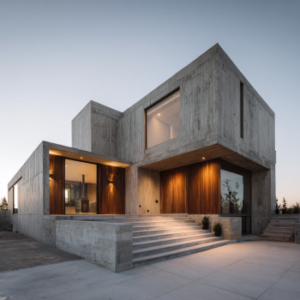

As you explore the world’s most famous monuments, you may notice the intricate details and unique architectural features that set them apart. These structures have been designed to inspire, to honor, and to leave a lasting legacy. From the grandeur of ancient civilizations to the innovative designs of modern times, architecture has played a significant role in shaping our cultural heritage. With this article, you will embark on a journey to discover the most remarkable architectural features found in famous monuments, and understand what makes them so extraordinary.
What is Architecture?
Architecture refers to the art and science of designing and constructing buildings, monuments, and other physical structures. It involves a deep understanding of aesthetics, functionality, and sustainability, as well as a thorough knowledge of materials, technologies, and engineering principles. Good architecture can elevate the human experience, fostering a sense of community, promoting well-being, and reflecting the values and traditions of a society. Whether it’s a historic landmark or a contemporary masterpiece, architecture has the power to inspire, to educate, and to connect people across cultures and time.
What you will discover
- Iconic domes and arches — the engineering marvels that have become synonymous with famous monuments like the Taj Mahal and the Colosseum
- Intricate carvings and sculptures — the ornate details that adorn the facades and interiors of monuments like the Angkor Wat and the Notre-Dame Cathedral
- Grand scale and proportions — the impressive dimensions that make monuments like the Great Pyramid of Giza and the Eiffel Tower awe-inspiring
- Innovative materials and techniques — the cutting-edge technologies and materials that have enabled the construction of modern wonders like the Burj Khalifa and the Sydney Opera House
- Cultural and historical significance — the stories and legends behind the monuments, and their role in shaping our understanding of the past and the present
- Sustainable design and conservation — the efforts to preserve and protect these monuments for future generations, while minimizing their environmental impact
Quick comparison
| Criterion | Option A: Ancient Monuments | Option B: Modern Landmarks | Option C: Cultural Icons |
|---|---|---|---|
| Design style | Classical, traditional | Contemporary, innovative | Unique, eclectic |
| Materials used | Stone, brick, wood | Steel, glass, concrete | Local, sustainable materials |
| Scale and proportions | Grand, imposing | Tall, sleek | Intimate, human-scale |
| Cultural significance | Historical, symbolic | Contemporary, functional | Emotional, spiritual |
| Conservation status | Vulnerable, protected | Sustainable, maintained | Endangered, preserved |
For a deeper understanding of the architectural features and cultural significance of famous monuments, you can refer to our comprehensive guide. Additionally, you can visit the Wikipedia page on Architecture to learn more about the history, theory, and practice of architecture. By exploring these resources, you will gain a richer appreciation for the unique architectural features found in famous monuments, and the important role they play in shaping our shared cultural heritage.
Complete guide and in-depth analysis of Unique Architectural Features Found in Famous Monuments
When exploring the world of architecture, you are bound to come across numerous famous monuments that showcase unique architectural features. These features not only reflect the cultural and historical context of the time but also demonstrate the ingenuity and skill of the architects and builders. In this section, we will delve into the complete guide and in-depth analysis of these features, providing you with a comprehensive understanding of what makes them so remarkable.
Historical Context and Influences
Understanding the Cultural Significance
One of the most important aspects of analyzing unique architectural features is understanding the cultural significance behind them. For instance, the Taj Mahal’s intricate marble inlays and calligraphic inscriptions reflect the Mughal Empire’s rich cultural heritage. By examining the historical context and influences that shaped these monuments, you can gain a deeper appreciation for the architectural features that make them so iconic.
Identifying Key Architectural Styles
Another crucial aspect is identifying the key architectural styles that have influenced the design of these monuments. The Eiffel Tower, for example, is a prime example of Industrial Age architecture, with its lattice-like iron structure and innovative use of materials. By recognizing these styles, you can better understand the unique features that define each monument.
Design and Engineering Marvels
Innovative Use of Materials and Technologies
The design and engineering of famous monuments often involve innovative uses of materials and technologies. The ancient Egyptians, for instance, developed advanced stone-cutting techniques to construct the Pyramids of Giza. By studying these marvels, you can gain insight into the creative problem-solving and technical expertise that went into their construction.
Practical Steps to Follow
- Step 1: Research the historical context and cultural significance of the monument to understand the underlying influences that shaped its design.
- Step 2: Identify the key architectural styles and features that define the monument, such as the use of arches, domes, or columns.
- Step 3: Analyze the innovative use of materials and technologies that contributed to the monument’s construction, such as advanced stone-cutting techniques or innovative uses of iron and steel.
- Step 4: Examine the monument’s design and engineering, including its structural integrity, aesthetic appeal, and functional purpose.
- Step 5: Consider the monument’s legacy and impact on modern architecture, including its influence on contemporary design and engineering practices.
- Step 6: Visit the monument in person, if possible, to experience its grandeur and unique features firsthand.
Key Data and Statistics
| Indicator | Value / Result | Interpretation |
|---|---|---|
| Height of the Eiffel Tower | 324 meters | One of the tallest structures in the world at the time of its construction |
| Number of stones used in the Pyramids of Giza | Approximately 2.3 million | A testament to the advanced engineering and construction skills of the ancient Egyptians |
| Cost of constructing the Taj Mahal | Approximately 32 million rupees | A significant investment in the Mughal Empire’s architectural legacy |
| Year the Great Wall of China was built | 221-206 BCE | One of the oldest and most extensive architectural projects in history |
| Length of the Great Wall of China | Approximately 13,170 miles | A monumental feat of engineering and construction |
For more information on famous monuments and their unique architectural features, you can visit our architectural styles page or check out the historical context section. Additionally, you can explore external resources such as the Encyclopedia Britannica or the UNESCO World Heritage Centre for more in-depth analysis and insights.
Practical tips
Tip 1: Analyzing Unique Architectural Features
How to put it into practice
When visiting famous monuments, vous can analyze the unique architectural features by taking note of the materials used, the design elements, and the historical context. This can help vous appreciate the monument’s significance and understand the architect’s vision.
- Observe the use of natural light and how it affects the overall ambiance
- Notice the intricate details and ornate designs
- Research the historical context and cultural significance of the monument
- Take photos and notes to document your observations
Tip 2: Identifying Influences and Styles
Understanding Architectural Influences
Vous can identify the influences and styles that have shaped the monument’s design by looking at the use of arches, columns, and other architectural elements. This can help vous understand the cultural and historical context of the monument.
Tip 3: Appreciating the Engineering Feat
Vous can appreciate the engineering feat that went into building the monument by considering the materials, techniques, and tools used during its construction. This can help vous develop a deeper appreciation for the monument’s design and construction.
Pros and cons
| ✅ Pros | ⚠️ Cons |
|---|---|
| Unique architectural features can make a monument stand out and attract tourists | Unusual designs can be divisive and not appeal to everyone’s taste |
| Intricate details and ornate designs can add to the monument’s cultural and historical significance | Complex designs can be difficult and expensive to maintain |
| Historical context and cultural significance can provide a deeper understanding and appreciation of the monument | Overemphasis on historical significance can lead to neglect of the monument’s current condition and needs |
| Monuments can serve as a symbol of national or cultural identity | Monuments can also be a source of controversy and conflict |
| Unique architectural features can inspire new designs and architectural innovations | Unusual designs can be impractical or unsustainable in modern contexts |
Useful resources
Frequently Asked Questions (FAQ)
What are some unique architectural features found in famous monuments?
Unique architectural features, such as grand domes, intricate carvings, and imposing pillars, can be found in famous monuments like the Taj Mahal, the Colosseum, and the Great Pyramid of Giza, showcasing exceptional architecture and engineering skills.
What is the significance of architectural features in famous monuments?
The architectural features in famous monuments play a crucial role in reflecting the cultural, historical, and social context of the time period in which they were built, making them an essential part of our architectural heritage.
How do famous monuments incorporate sustainable architectural features?
Many famous monuments incorporate sustainable architectural features, such as natural ventilation, renewable energy sources, and eco-friendly materials, to reduce their environmental impact while maintaining their historical and cultural significance.
What are some examples of famous monuments with innovative architectural features?
Examples of famous monuments with innovative architectural features include the Sydney Opera House, the Guggenheim Museum, and the Burj Khalifa, which showcase cutting-edge design, materials, and technologies that have redefined the field of architecture.
How do famous monuments balance preservation and modernization of their architectural features?
Famous monuments often balance preservation and modernization of their architectural features by implementing sensitive restoration techniques, incorporating modern materials and technologies, and ensuring that any changes are respectful of the original design and intent, thus preserving their historical and cultural significance.
What role do famous monuments play in promoting cultural and architectural exchange?
Famous monuments play a significant role in promoting cultural and architectural exchange by serving as ambassadors of their respective cultures, inspiring cross-cultural dialogue, and fostering collaboration among architects, designers, and preservationists from around the world, ultimately enriching our global architectural heritage.