The world of monument design has undergone a significant transformation in recent years, with contemporary designs pushing the boundaries of creativity and innovation. As you explore the realm of modern monuments, you will discover a plethora of unique and thought-provoking structures that reflect the diversity and complexity of human experience. Monuments have always played a crucial role in commemorating historical events, honoring notable figures, and showcasing artistic expression. With the rise of contemporary monument design, vous will witness a new wave of architectural masterpieces that blend tradition with modernity.
What is Contemporary Monument Design?
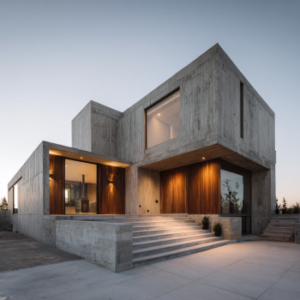
Contemporary monument design refers to the creation of modern monuments that incorporate innovative materials, cutting-edge technology, and unconventional designs. These structures often challenge traditional notions of what a monument should look like, instead embracing experimentation and creativity. Contemporary monument design is characterized by its emphasis on sustainability, social relevance, and community engagement. As a result, modern monuments have become an integral part of urban landscapes, fostering a sense of place and identity among local residents and visitors alike.
What you will discover
- Innovative Materials — the use of sustainable and eco-friendly materials in monument construction
- Interactive Exhibits — the integration of digital technology and immersive experiences in modern monuments
- Community Engagement — the role of public participation and collaboration in the design and development of contemporary monuments
- Urban Renewal — the impact of modern monuments on urban revitalization and regeneration
- Cultural Significance — the ways in which contemporary monuments reflect and shape cultural identity and heritage
- Architectural Innovation — the pioneering use of new designs, shapes, and forms in modern monument architecture
Quick comparison
| Criterion | Traditional Monuments | Contemporary Monuments | Hybrid Monuments |
|---|---|---|---|
| Materials | Stone, bronze, marble | Sustainable materials, recycled metals | Combination of traditional and modern materials |
| Design | Classical, symmetrical | Experimental, asymmetrical | Blend of traditional and contemporary styles |
| Functionality | Commemorative, symbolic | Interactive, educational | Multi-purpose, community-driven |
| Location | Urban centers, public spaces | Urban, rural, and natural environments | Varied locations, including parks and plazas |
For a more in-depth exploration of contemporary monument design, vous can refer to our comprehensive guide on the subject. Additionally, you can visit the Wikipedia page on monuments to learn more about the history and evolution of monument design.
Complete guide and in-depth analysis of Contemporary Monument Design
As we explore the evolution of monument design, it becomes clear that contemporary monuments are not just structures of remembrance but also reflections of our current societal values and technological advancements. This guide will delve into the key aspects of contemporary monument design, highlighting the innovative approaches and materials used in their construction.
Understanding the Role of Monuments in Modern Society
Monuments as Public Art
Contemporary monuments often serve as public art, encouraging interaction and reflection among viewers. They are designed to be aesthetically pleasing, incorporating a variety of materials and technologies to create immersive experiences. This shift towards interactive monuments has transformed public spaces, making them more engaging and thought-provoking.
The Incorporation of Sustainable Materials
The use of sustainable materials in monument design is becoming increasingly popular, reflecting a broader societal emphasis on environmental responsibility. This not only reduces the environmental impact of the monument but also serves as an educational tool, raising awareness about the importance of sustainability.
Designing Monuments for the Future
Integrating Technology
Modern monument design often incorporates advanced technologies, such as digital displays and interactive interfaces, to provide visitors with a more engaging and informative experience. This integration of technology allows monuments to be dynamic, with the ability to update content and adapt to changing historical perspectives.
Practical steps to follow
- Step 1: Conduct thorough research on the historical or cultural significance of the monument, ensuring that the design respects and accurately represents the subject matter.
- Step 2: Engage with local communities and stakeholders to understand their expectations and preferences for the monument, fostering a sense of ownership and inclusivity.
- Step 3: Select materials and technologies that not only meet the design requirements but are also sustainable and environmentally friendly, considering the long-term impact of the monument.
- Step 4: Collaborate with artists, architects, and engineers to design a monument that is both aesthetically pleasing and structurally sound, ensuring it can withstand the elements and time.
- Step 5: Develop an interactive component, such as a digital exhibit or guided tour, to enhance the visitor experience and provide deeper insights into the monument’s significance.
- Step 6: Plan for the maintenance and upkeep of the monument, establishing a fund or partnership to ensure the monument remains in good condition for future generations.
Key data and statistics
| Indicator | Value / Result | Interpretation |
|---|---|---|
| Number of monuments built worldwide in the last decade | Over 500 | This indicates a significant increase in the construction of monuments, reflecting a growing interest in preserving history and culture. |
| Average cost of building a contemporary monument | $1 million to $5 million | The cost varies widely depending on the size, materials, and technologies used, highlighting the need for careful planning and budgeting. |
| Percentage of monuments incorporating sustainable materials | 30% | This trend towards sustainability in monument design is expected to continue, driven by public awareness and demand for environmentally responsible practices. |
| Visitor engagement increase with interactive monuments | 25% to 50% | Interactive elements significantly enhance the visitor experience, making monuments more appealing and educational. |
| Projected growth in the monument design industry | 10% annually | This growth reflects the increasing importance of monuments as cultural, historical, and tourist attractions, as well as their role in urban development and community building. |
For more information on contemporary monument design, visit our page on monument design trends or explore the sustainable monuments section. External resources include studies from National Park Service and information on Wikipedia.
Practical tips
Tip 1: Collaborate with Local Communities
How to put it into practice
When designing a contemporary monument, it is essential to involve local communities in the process to ensure that the monument is meaningful and relevant to them. This can be achieved through public consultations, workshops, and focus groups. By doing so, you can gather valuable insights and ideas that can be incorporated into the design, making the monument more accessible and engaging to the community.
- Identify key stakeholders and community leaders to partner with
- Organize public events to gather feedback and suggestions
- Establish a clear and transparent communication channel
- Foster a sense of ownership and pride among community members
Tip 2: Incorporate Sustainable Materials and Technologies
Environmental Considerations
Contemporary monument design should prioritize sustainability and environmental responsibility. This can be achieved by using eco-friendly materials, incorporating renewable energy sources, and implementing efficient waste management systems. By doing so, you can reduce the monument’s carbon footprint and create a positive impact on the environment.
Tip 3: Create Interactive and Immersive Experiences
To make contemporary monuments more engaging and memorable, it is essential to create interactive and immersive experiences that cater to diverse audiences. This can be achieved through the use of digital technologies, such as augmented reality, virtual reality, and interactive displays. By doing so, you can provide visitors with a unique and personalized experience that fosters a deeper connection with the monument and its significance.
Pros and cons
| ✅ Pros | ⚠️ Cons |
|---|---|
| Increased community engagement and participation | Potential for controversy and criticism |
| Enhanced aesthetic appeal and visual impact | Higher costs and maintenance requirements |
| Improved sustainability and environmental responsibility | Technical issues and glitches with digital components |
| Unique and personalized experiences for visitors | Potential for over-reliance on technology and neglect of traditional craftsmanship |
| Opportunities for cultural exchange and education | Risk of cultural insensitivity and misrepresentation |
Useful resources
- Back to the complete guide
- External reference source: International Council on Monuments and Sites (ICOMOS)
Frequently Asked Questions (FAQ)
What is contemporary monument design, and how does it differ from traditional designs?
Contemporary monument design refers to the modern approach to creating monuments, incorporating innovative materials, shapes, and themes that reflect the current era. This style often blends traditional elements with modern aesthetics, resulting in unique and thought-provoking structures that honor their subjects. The main keyword, monument design, has evolved significantly over the years, adapting to changing societal values and artistic expressions.
What role do monuments play in preserving history and cultural heritage?
Monuments serve as tangible links to the past, providing a physical representation of historical events, cultural traditions, and notable figures. They help to educate the public, promote cultural awareness, and foster a sense of national or community identity. By preserving these structures, we can ensure that future generations have access to the knowledge and experiences of the past, allowing them to learn from and appreciate the achievements of those who came before us.
How do contemporary monument designers balance artistic expression with historical accuracy and sensitivity?
Contemporary monument designers must navigate a delicate balance between creative freedom and historical responsibility, ensuring that their designs are both aesthetically pleasing and respectful of the subject or event being commemorated. This involves thorough research, collaboration with historians and community stakeholders, and a deep understanding of the cultural context in which the monument will be situated. By doing so, designers can create monuments that are not only visually striking but also meaningful and respectful.
What materials are commonly used in contemporary monument design, and how do they impact the overall appearance and durability of the structure?
Contemporary monument designers often incorporate a wide range of materials, including metals, glass, stone, and sustainable materials like reclaimed wood or recycled metal. The choice of material can significantly impact the monument’s appearance, durability, and environmental footprint. For example, using locally sourced materials can reduce the carbon footprint of the project, while durable materials like stainless steel or granite can ensure the monument withstands the test of time.
Can monuments be used as a tool for social commentary or activism, and if so, how effective are they in sparking meaningful conversations?
Yes, monuments can be a powerful tool for social commentary or activism, as they have the ability to challenge societal norms, raise awareness about important issues, and inspire meaningful conversations. Effective monuments in this context often incorporate thought-provoking designs, interactive elements, or immersive experiences that encourage viewers to engage with the subject matter on a deeper level. By leveraging the emotional resonance of monuments, designers can create a lasting impact and promote positive change.
How do you think the rise of contemporary monument design will impact the way we interact with and remember historical events and cultural heritage in the future?
The rise of contemporary monument design is likely to have a profound impact on how we interact with and remember historical events and cultural heritage, as it will continue to evolve and adapt to changing societal values and technological advancements. As monuments become more immersive, interactive, and digitally integrated, they will provide new opportunities for engagement, education, and community building, ultimately redefining the way we experience and preserve our collective history and cultural heritage.