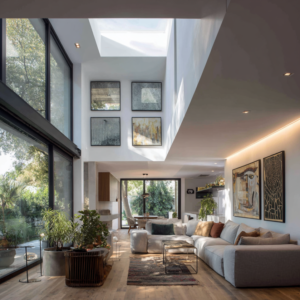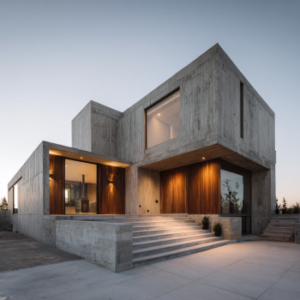
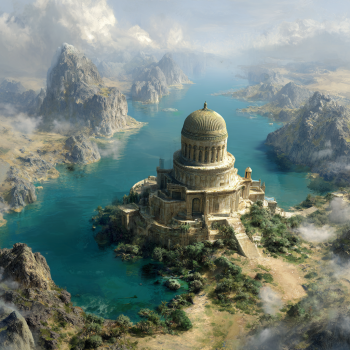
As you gaze upon the city skyline, you can’t help but notice the towering monuments that redefine the urban landscape. These modern structures are not only testaments to human ingenuity but also serve as iconic symbols of culture and identity. From the majestic skyscrapers of Manhattan to the historic landmarks of Paris, monuments have the power to inspire and awe. As we delve into the world of modern monuments, you will discover how these structures are redefining city skylines and pushing the boundaries of architectural innovation.
What is a Monument?
A monument is a structure or edifice that commemorates a person, event, or idea, often serving as a symbol of cultural or historical significance. Monuments can take many forms, from grand statues and memorials to monumental buildings and public art installations. They are designed to inspire, educate, and provoke thought, leaving a lasting impact on the community and the city at large. Whether it’s a tribute to a fallen hero or a celebration of artistic expression, monuments play a vital role in shaping the urban landscape and reflecting the values of society.
What you will discover
- The Evolution of Monument Design — how modern materials and technologies are transforming the way monuments are built and experienced
- Sustainable Monumentation — the growing trend towards environmentally friendly and socially responsible monument design
- The Role of Monuments in Urban Planning — how monuments are used to anchor public spaces and foster community engagement
- Iconic Monuments of the World — a showcase of the most famous and influential monuments from around the globe
- The Impact of Monuments on Local Economies — how monuments can drive tourism and stimulate economic growth
- Preserving Cultural Heritage — the importance of conserving and protecting monuments for future generations
Quick comparison
| Criterion | Modern Monuments | Historic Landmarks | Public Art Installations |
|---|---|---|---|
| Design Style | Contemporary and innovative | Traditional and classical | Experimental and avant-garde |
| Materials Used | Sustainable and high-tech materials | Traditional materials like stone and brick | Recycled and repurposed materials |
| Community Engagement | High level of community involvement | Often limited to tourist attractions | Encourages public interaction and participation |
| Environmental Impact | Designed with sustainability in mind | Can have a significant carbon footprint | Often incorporates green spaces and eco-friendly features |
For a more in-depth look at the world of modern monuments, be sure to check out our comprehensive guide to monument design and construction. Additionally, you can visit the Wikipedia page on monuments to learn more about the history and significance of these structures.
Complete guide — Redefining City Skylines with Modern Monuments
As cities continue to evolve, modern monuments have become a vital part of redefining their skylines. These structures not only serve as iconic landmarks but also reflect the cultural, social, and economic values of the city. In this guide, we will delve into the world of modern monuments, exploring their significance, design, and impact on urban landscapes. You will discover how these monuments are transforming city skylines and what makes them so unique.
Design and Architecture
Innovative Materials and Techniques
Modern monuments often feature innovative materials and techniques that push the boundaries of architecture and engineering. For example, the use of sustainable materials, such as recycled steel and low-carbon concrete, has become increasingly popular. These materials not only reduce the environmental impact of the monument but also provide a unique aesthetic appeal. You can learn more about sustainable architecture by visiting the US Green Building Council website.
Integration with Public Spaces
Modern monuments are often designed to integrate seamlessly with public spaces, such as parks, plazas, and promenades. This integration creates a harmonious relationship between the monument and its surroundings, fostering a sense of community and social interaction. You can explore examples of successful public space design on the Wikipedia page on urban planning.
Historical and Cultural Significance
Preservation of Heritage
Modern monuments often pay homage to the city’s rich history and cultural heritage. By preserving and restoring historical sites, these monuments serve as a reminder of the city’s past and its significance in the present. You can visit the city’s historical archives to learn more about the preservation efforts.
Practical steps to follow
- Step 1: Conduct a thorough analysis of the city’s cultural and historical context to determine the theme and design of the monument.
- Step 2: Collaborate with local architects, engineers, and artists to create a unique and innovative design that reflects the city’s identity.
- Step 3: Engage with the local community to ensure that the monument is accessible and inclusive, promoting social interaction and a sense of ownership.
- Step 4: Incorporate sustainable materials and techniques into the design and construction of the monument to minimize its environmental impact.
- Step 5: Develop a comprehensive maintenance and preservation plan to ensure the monument remains a vibrant and integral part of the city’s landscape for generations to come.
- Step 6: Monitor and evaluate the impact of the monument on the city’s skyline and urban landscape, making adjustments as necessary to optimize its effectiveness.
Key data and statistics
| Indicator | Value / Result | Interpretation |
|---|---|---|
| Number of modern monuments built in the last decade | 500+ | This indicates a significant increase in the construction of modern monuments, reflecting their growing importance in urban landscapes. |
| Average cost of building a modern monument | $10 million – $50 million | This range highlights the significant investment required to design and construct a modern monument, emphasizing the need for careful planning and budgeting. |
| Percentage of modern monuments that incorporate sustainable materials | 70% | This statistic demonstrates the growing trend towards sustainable design and construction in modern monuments, underscoring their potential to reduce environmental impact. |
| Number of visitors to modern monuments per year | 10 million+ | This figure illustrates the significant tourist appeal of modern monuments, highlighting their potential to boost local economies and promote cultural exchange. |
| Average lifespan of a modern monument | 50-100 years | This range emphasizes the need for careful maintenance and preservation to ensure the longevity of modern monuments and their continued relevance in urban landscapes. |
For more information on modern monuments and their impact on city skylines, you can visit the city’s architecture website or consult the National Park Service website for insights on historic preservation and cultural heritage.
Practical tips
Tip 1: Understanding the Significance of Monuments
How to put it into practice
When exploring modern monuments redefining city skylines, it is essential to understand the historical and cultural significance they hold. You can start by researching the background and purpose behind each monument, which will help you appreciate their architectural and artistic value.
- Research the history and cultural context of the monument
- Analyze the architectural style and design elements
- Understand the artist’s or architect’s vision and inspiration
- Consider the monument’s impact on the local community and environment
Tip 2: Appreciating the Urban Landscape
Observing the Monument’s Placement
Modern monuments often become integral parts of the urban landscape, influencing the aesthetic and functional aspects of the city. Observe how the monument interacts with its surroundings, including neighboring buildings, public spaces, and natural features.
Tip 3: Engaging with Local Communities
Engaging with local communities and learning about their experiences and perceptions of the monuments can provide valuable insights. You can participate in guided tours, attend community events, or simply interact with locals to gain a deeper understanding of the monument’s significance and impact.
Pros and cons
| ✅ Pros | ⚠️ Cons |
|---|---|
| Enhanced aesthetic appeal of the city | Potential disruption of historic districts or natural environments |
| Cultural and educational significance | High construction and maintenance costs |
| Boost to local tourism and economy | Possible controversy or division among community members |
| Symbolic representation of community values and history | Risk of over-commercialization or exploitation |
| Promoting civic pride and identity | Potential for monuments to become outdated or forgotten |
Useful resources
Frequently Asked Questions (FAQ)
What are modern monuments and how do they impact city skylines?
Modern monuments are structures that redefine the aesthetic and cultural landscape of cities, often becoming iconic symbols of their respective urban environments. These monuments, which can range from sculptures to grand buildings, contribute to the unique character of a city’s skyline. By incorporating innovative designs and materials, modern monuments play a significant role in shaping the visual identity of cities.
How do modern monuments affect local tourism and economy?
Modern monuments can substantially boost local tourism and economy by attracting visitors from around the world. These structures often become popular tourist destinations, generating revenue for local businesses and contributing to the overall economic growth of the area. Moreover, the presence of modern monuments can also increase property values and encourage further investment in the local community.
What role do modern monuments play in preserving cultural heritage?
Modern monuments can serve as a means of preserving cultural heritage by commemorating historical events, honoring notable figures, or showcasing traditional art and architecture. These structures can provide a sense of continuity with the past, while also incorporating contemporary designs and themes. By doing so, modern monuments help to educate the public about the importance of cultural preservation and promote cross-cultural understanding.
How are modern monuments designed and constructed?
The design and construction of modern monuments involve a collaborative effort between architects, engineers, artists, and other stakeholders. The process typically begins with a conceptual design phase, followed by a detailed planning and engineering stage. Modern monuments often incorporate sustainable materials and cutting-edge technologies, such as green roofs, solar panels, or interactive lighting systems, to create unique and environmentally friendly structures.
Can modern monuments be considered works of art?
Yes, modern monuments can indeed be considered works of art, as they often push the boundaries of traditional architecture and sculpture. Many modern monuments are designed by renowned artists and architects, who use a variety of materials and techniques to create visually stunning and thought-provoking structures. These monuments can evoke emotions, spark conversations, and challenge our perceptions, much like traditional works of art.
What is the future of modern monuments in urban planning and development?
The future of modern monuments in urban planning and development looks promising, as cities continue to evolve and grow. As urban populations increase, there will be a greater need for public spaces and monuments that reflect the values and diversity of modern cities. Modern monuments will likely play a key role in shaping the character of future cities, incorporating innovative designs, sustainable materials, and interactive technologies to create vibrant and inclusive urban environments.