
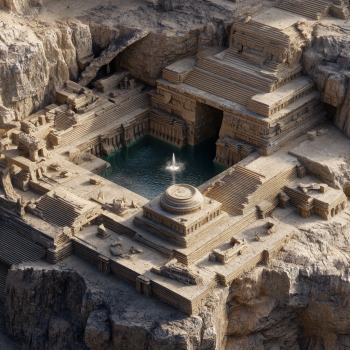
As you explore the world’s most magnificent ancient structures, you can’t help but wonder about the secrets behind their construction and enduring presence. From the majestic Pyramids of Giza to the intricate carvings of the Taj Mahal, these monuments have captivated human imagination for centuries. The art of building such marvels has been passed down through generations, with each structure telling a unique story of its time and culture. By delving into the history and architecture of these famous ancient structures, you will uncover the fascinating stories and techniques that have made them last for so long.
What is Monumental Architecture?
Monumental architecture refers to the design and construction of large-scale buildings and structures that are intended to impress, inspire, and endure. These structures often serve as symbols of power, culture, and faith, and are typically characterized by their grand scale, intricate details, and historical significance. The art of monumental architecture has evolved over time, influenced by various cultures, technologies, and environmental factors. By studying these structures, you can gain a deeper understanding of the social, cultural, and historical contexts in which they were built.
What you will discover
- The engineering techniques used to build ancient structures, such as the use of pulleys, levers, and ramps
- The cultural and historical significance of famous monuments, including their role in shaping the identity of civilizations
- The architectural styles and influences that have shaped the design of ancient structures, from Greek columns to Islamic arches
- The materials and technologies used in the construction of ancient monuments, including stone, brick, and concrete
- The conservation and restoration efforts that aim to preserve these structures for future generations
- The impact of monumental architecture on modern society, including its influence on contemporary design and urban planning
Quick comparison
| Criterion | Pyramids of Giza | Taj Mahal | Colosseum |
|---|---|---|---|
| Location | Giza, Egypt | Agra, India | Rome, Italy |
| Year of construction | 2580 BC | 1653 AD | 80 AD |
| Architectural style | Ancient Egyptian | Mughal | Roman |
| Materials used | Limestone, granite | Marble, sandstone | Travertine, tuff |
For a more in-depth guide to the secrets behind famous ancient structures, please refer to our comprehensive guide. Additionally, you can visit the Wikipedia page on ancient monuments to learn more about the history and significance of these incredible structures.
Complete guide and in-depth analysis of Famous Ancient Monuments
Delving into the secrets behind famous ancient structures reveals a complex tapestry of engineering, architectural, and historical wonders. As you explore these monuments, you are not just witnessing remnants of the past but also marveling at the ingenuity and craftsmanship of bygone eras. Understanding the construction, significance, and preservation of these structures is crucial for appreciating their value in modern times.
Historical Context and Architectural Innovations
Engineering Feats
The construction of ancient monuments often involved groundbreaking engineering feats that were well ahead of their time. For instance, the Pyramids of Giza and the Great Wall of China demonstrate sophisticated understanding of physics, mathematics, and materials science, considering the limited technology available during their construction. These feats not only showcase the advanced knowledge of ancient civilizations but also underscore the importance of these structures as testaments to human ingenuity.
Cultural and Religious Significance
Beyond their architectural and engineering marvels, ancient monuments also hold deep cultural and religious significance. They were often built to honor gods, commemorate significant events, or serve as burial grounds for important figures. Understanding the cultural context in which these monuments were built provides insights into the beliefs, values, and practices of ancient societies.
Architectural Styles and Influences
Diverse Architectural Styles
The diversity in architectural styles among ancient monuments reflects the unique cultural, geographical, and historical contexts of their construction. From the classical orders of Greek and Roman architecture to the intricate carvings and grandeur of Gothic cathedrals, each style tells a story of the civilization that created it.
Practical Steps to Follow for Monument Preservation
- Step 1: Conduct thorough historical and architectural research to understand the original construction methods and materials used.
- Step 2: Develop a conservation plan that balances preservation with the need for public access and tourism, ensuring that the monument’s integrity is maintained.
- Step 3: Implement sustainable tourism practices to reduce the impact of visitor traffic on the monument and its surroundings.
- Step 4: Engage local communities in the preservation efforts, educating them about the importance of the monument and involving them in conservation activities.
- Step 5: Establish partnerships with international organizations and experts to access the latest preservation technologies and methodologies.
- Step 6: Regularly monitor the condition of the monument and adjust the conservation plan as necessary to address any new challenges or threats that arise.
Key Data and Statistics
| Indicator | Value / Result | Interpretation |
|---|---|---|
| Number of UNESCO World Heritage Sites | 1,154 | Indicates the global recognition of cultural and natural heritage sites. |
| Average Annual Visitors to the Pyramids of Giza | 5 million | Highlights the significant tourist interest in ancient monuments. |
| Estimated Construction Time for the Great Pyramid of Khufu | 20 to 30 years | Illustrates the scale and complexity of ancient construction projects. |
| Percentage of Monuments at Risk Due to Climate Change | 25% | Emphasizes the urgent need for conservation efforts in the face of environmental challenges. |
| Global Spending on Cultural Heritage Preservation | $10 billion | Reflects the economic commitment to preserving historical sites. |
For more information on ancient monuments and their preservation, you can visit our page on preservation efforts or explore the resources available at historical context. External sources such as UNESCO and the National Geographic provide comprehensive insights into the world of ancient structures and the challenges they face today.
Practical tips
Tip 1: Understanding the Historical Context
How to put it into practice
When exploring famous ancient structures, it is essential to understand the historical context in which they were built. Vous can start by researching the time period, the culture, and the significance of the monument. This will help vous appreciate the architecture, the design, and the purpose of the structure.
- Research the time period and the culture of the ancient civilization
- Read about the historical events that led to the construction of the monument
- Look for primary sources, such as ancient texts or artifacts, to gain a deeper understanding
- Consult with historians or experts in the field to gain valuable insights
Tip 2: Analyzing the Architecture
Understanding the Design and Construction
Vous should also analyze the architecture of the ancient structure, looking at the design, the materials used, and the construction techniques. This will help vous understand how the monument was built and what makes it unique.
Tip 3: Preserving the Monument
It is essential to preserve famous ancient structures for future generations. Vous can contribute to preservation efforts by supporting organizations that work to protect and conserve these monuments. Additionally, vous can spread awareness about the importance of preserving our cultural heritage.
Pros and cons
| ✅ Pros | ⚠️ Cons |
|---|---|
| Unique insight into ancient cultures and civilizations | Potential damage to the monument due to tourism and human activity |
| Opportunity to learn about historical events and significance | Difficulty in preserving and maintaining the monument due to limited resources |
| Inspiration for modern architecture and design | Risk of looting and vandalism of ancient artifacts and structures |
| Boost to local economy through tourism and cultural exchange | Potential for cultural appropriation and misrepresentation of ancient cultures |
| Preservation of cultural heritage for future generations | Challenge of balancing preservation with tourism and economic development |
Useful resources
Frequently Asked Questions (FAQ)
What are the secrets behind the construction of famous ancient structures like the Pyramids of Giza and the Great Wall of China?
The secrets behind the construction of these ancient monuments involve a combination of advanced engineering skills, precise architectural planning, and the use of local materials. The Pyramids of Giza, for example, are a testament to the ingenuity of the ancient Egyptians, who used simple yet effective tools to construct these massive structures. Understanding the secrets behind these monuments can provide valuable insights into the history and culture of ancient civilizations.
How did ancient civilizations manage to build such large and complex structures without the aid of modern technology?
Ancient civilizations developed innovative solutions to overcome the limitations of their technology, often relying on manual labor, simple tools, and clever architectural designs. The use of ramps, pulleys, and levers, for example, allowed ancient builders to move and place massive stone blocks into position. By studying these ancient structures, we can gain a deeper appreciation for the ingenuity and perseverance of our ancestors.
What role did astronomy play in the construction of ancient monuments like Stonehenge and the Temples of Angkor Wat?
Astronomy played a significant role in the construction of many ancient monuments, with many structures aligning with celestial bodies and events. The alignment of Stonehenge, for example, corresponds to the summer solstice, while the Temples of Angkor Wat are aligned with the movements of the stars and planets. By incorporating astronomical observations into their designs, ancient builders were able to create structures that were not only functional but also spiritually significant.
How have ancient structures like the Colosseum and the Great Pyramid of Cholula been preserved and restored over time?
The preservation and restoration of ancient structures involve a combination of careful planning, meticulous excavation, and sensitive reconstruction. The Colosseum, for example, has undergone several restoration projects over the centuries, with a major restoration effort in the 1990s aimed at preserving the structure’s integrity and stability. By studying the preservation and restoration of ancient structures, we can learn valuable lessons about the importance of cultural heritage and the need to protect our shared cultural legacy.
What can we learn from the architectural styles and designs of ancient monuments like the Taj Mahal and the Pantheon?
The architectural styles and designs of ancient monuments offer a wealth of knowledge about the cultural, social, and historical contexts in which they were built. The Taj Mahal, for example, is a masterpiece of Mughal architecture, with its intricate marble inlays and soaring domes reflecting the cultural and artistic traditions of the Indian subcontinent. By studying these ancient structures, we can gain a deeper understanding of the evolution of architectural styles and the ways in which buildings reflect the values and aspirations of their creators.
How can we use modern technology to better understand and appreciate ancient structures like Machu Picchu and the Acropolis of Athens?
Modern technology, such as 3D scanning and virtual reality, can be used to create highly detailed and immersive models of ancient structures, allowing us to explore and appreciate these monuments in new and innovative ways. By using digital tools to reconstruct and analyze ancient buildings, we can gain a deeper understanding of their design, construction, and historical significance, and develop new insights into the cultures and civilizations that built them.